Is this year still the right time to retrofit street lights?
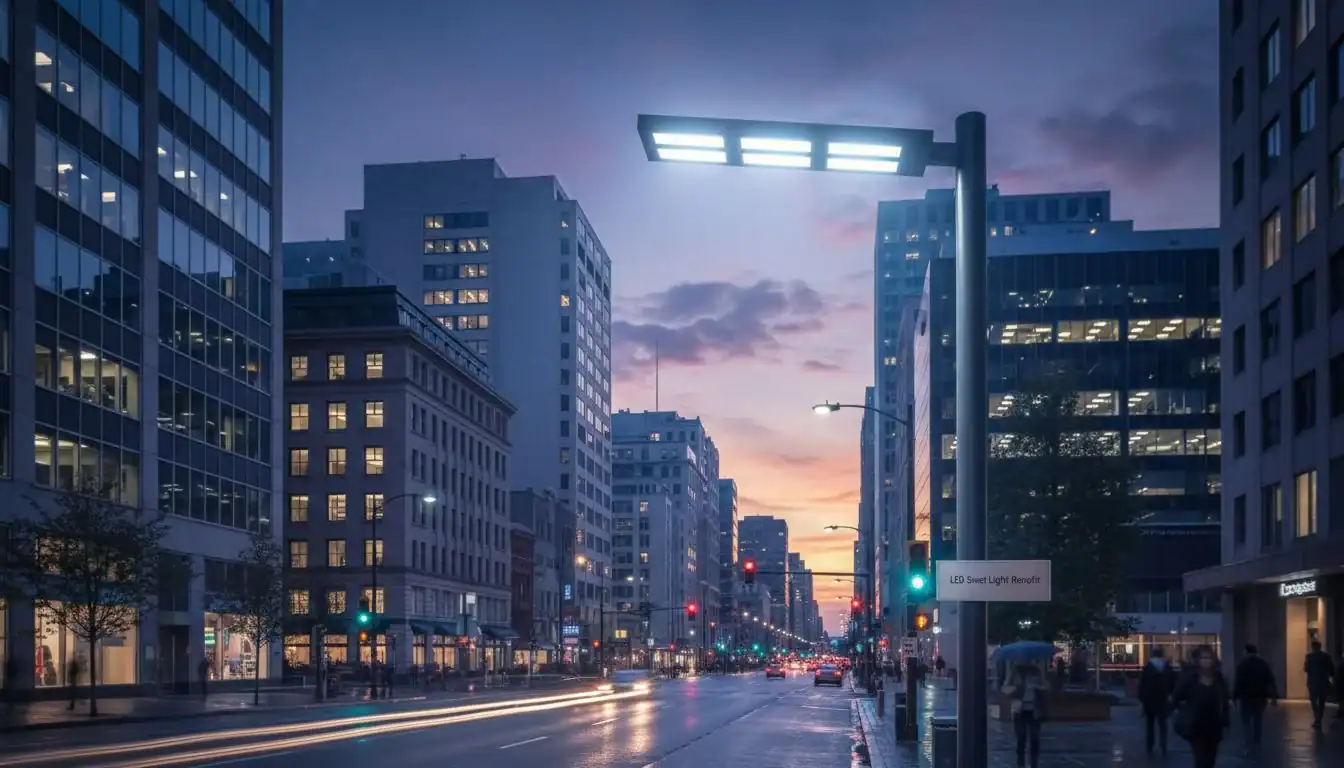
Your city's old street lights are costing a fortune in energy and maintenance. You know a change is needed, but wonder if now is the perfect time to act.
Yes, 2025 is an ideal time to retrofit street lights. The technology is mature, costs have stabilized, and the financial case is undeniable. Cities are achieving 50-75% energy savings1 with paybacks of just 3-5 years, making it a fiscally responsible and impactful upgrade.
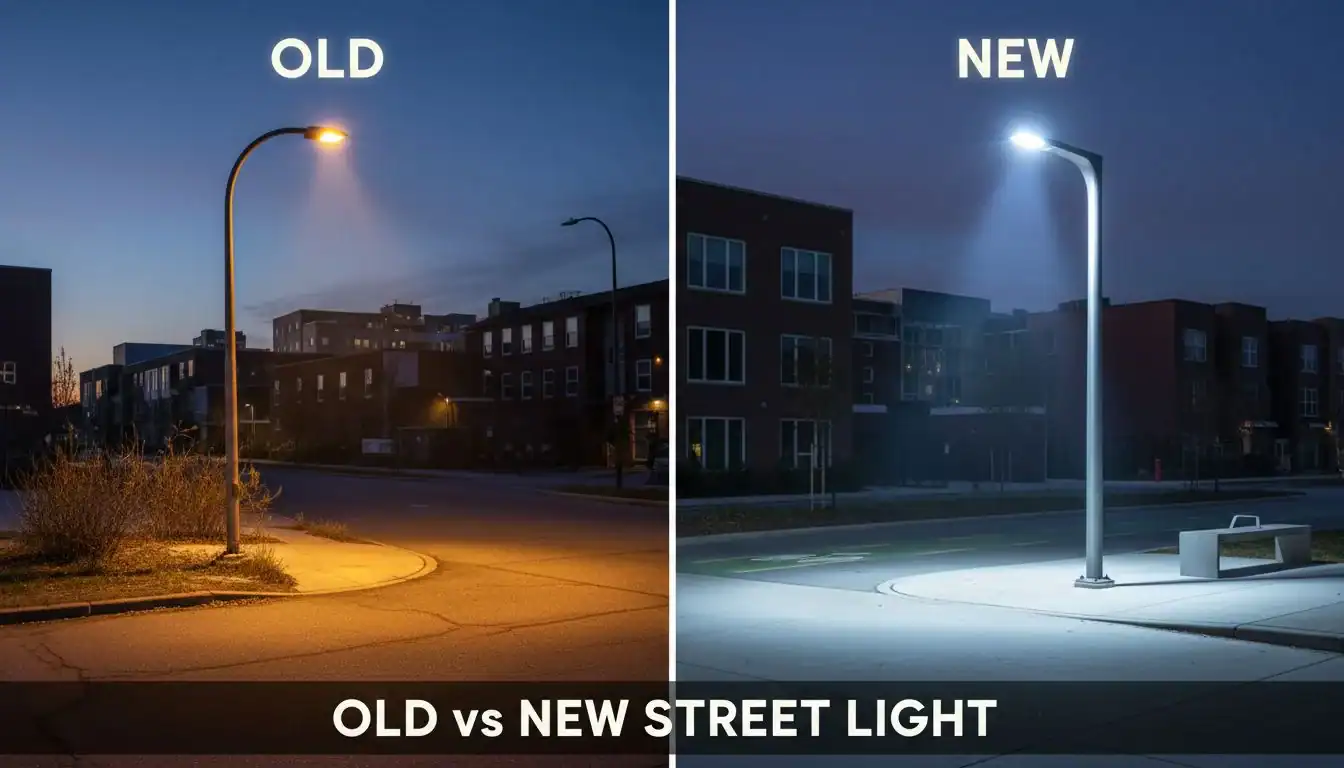
But I know it's not as simple as just swapping a bulb. You have to consider the type of LED, the controls, the location, and how to guarantee reliability for the next decade. Getting it wrong means wasting a huge opportunity. That's why I've put together this guide based on my 13+ years of experience helping cities navigate these projects. We will break down the key decisions you need to make, so you can move forward with confidence.
The global outdoor LED lighting market is projected to reach $28.43 billion by 2030.True
According to a report by Polaris Market Research, the market is growing at a CAGR of 9.4% from 2025 to 2030, driven by smart city initiatives and energy efficiency mandates.
Waiting another year for LED technology to improve will yield significant cost savings.False
While LED technology continues to improve incrementally, the major efficiency gains have already been realized. The cost of waiting in terms of excess energy and maintenance spending for another year typically outweighs any minor drop in future hardware costs.
LED or Smart LED in 2025: the decision checklist that ends the debate?
You're facing a choice: basic LED or smart, networked LED. The higher upfront cost of smart systems can make anyone hesitate. Is the extra investment really going to pay off?
The right choice depends on your city's goals. For maximum long-term value and operational efficiency, smart LED2 is the clear winner. It unlocks savings beyond just energy. For simple, budget-first projects, standard LED still offers a massive upgrade over legacy lighting.
Making the Call: A Simple Framework
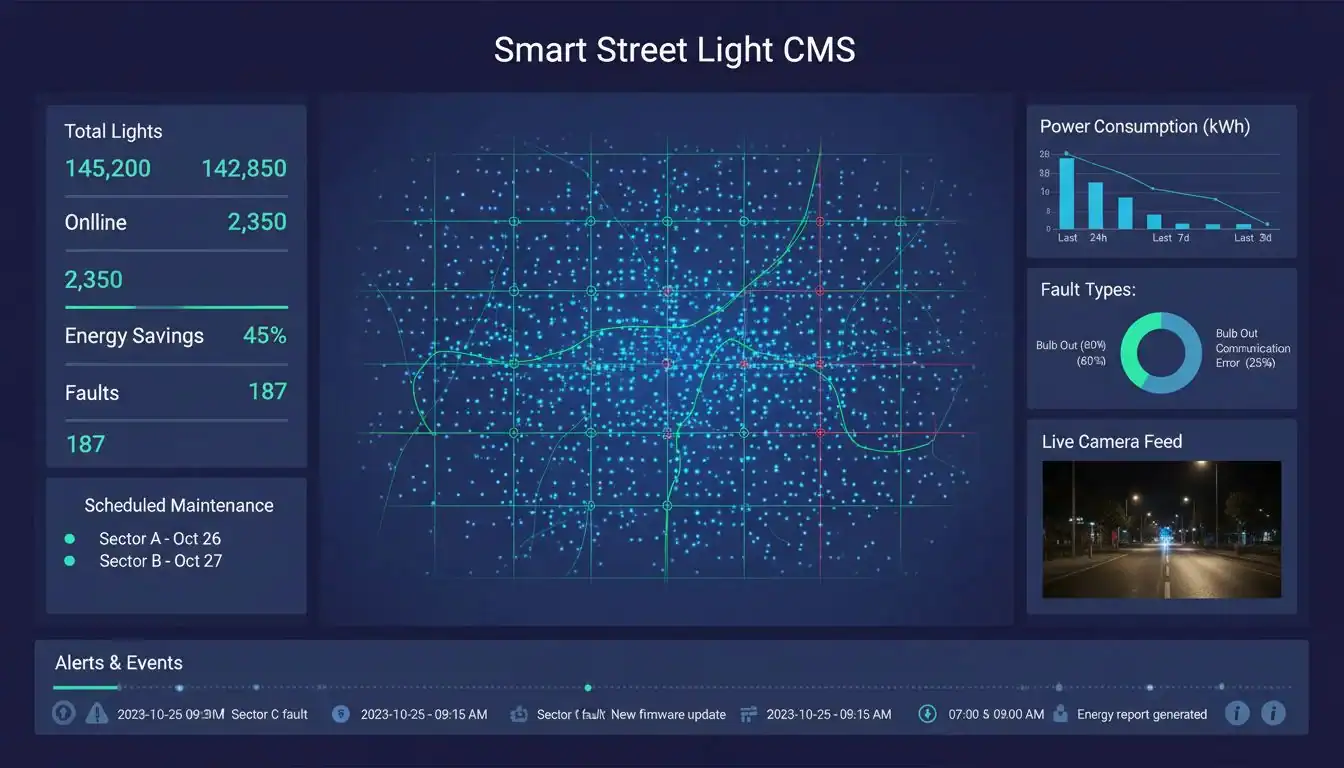
The debate isn't about which technology is "better," but which is right for your specific needs. A standard LED retrofit is a capital project focused on energy savings. A smart LED project is an investment in infrastructure that pays operational dividends for years. Smart nodes and a Central Management System (CMS) give you proactive fault detection. No more waiting for residents to call about an outage. You can implement strategic dimming in low-traffic areas to save even more energy. You also get data that can be used for other city goals, like identifying high-accident corridors for Vision Zero initiatives. These benefits compound over time and go far beyond the raw kilowatt-hours saved.
Here’s a table to help you decide:
| Feature | Standard LED | Smart LED (with CMS) |
|---|---|---|
| Upfront Cost | Lower | Higher (15-30% more) |
| Energy Savings | High (50-75%) | Highest (Up to 85% with dimming) |
| Operational Savings | Moderate (fewer repairs) | High (proactive maintenance, no patrols) |
| Future-Proofing | Limited | High (platform for other sensors) |
| Best Use Case | Budget-critical replacements | Urban cores, major roads, smart city plans |
Smart street lights can add an extra 10-20% in energy savings on top of the initial LED conversion.True
This additional saving comes from scheduled dimming during low-traffic hours and adaptive lighting based on real-time conditions, which is only possible with a networked control system.
All smart lighting systems are easily interoperable with each other.False
Many smart lighting systems use proprietary communication protocols. It is crucial to select systems built on open standards like DALI or TALQ to avoid vendor lock-in and ensure future compatibility with other smart city applications.
From watts to wins: how do cities turn 50–75% energy cuts into 3–5 year paybacks?
You need to present a strong business case to get your project approved. A payback period3 that stretches on for a decade is a non-starter. How can you be sure you'll see a return in 3 to 5 years?
Cities hit this aggressive payback target by looking at the total cost of ownership4, not just the price of the fixture. The formula is simple: massive energy savings plus eliminated maintenance costs. This combination quickly covers the initial investment, often in less than five years.
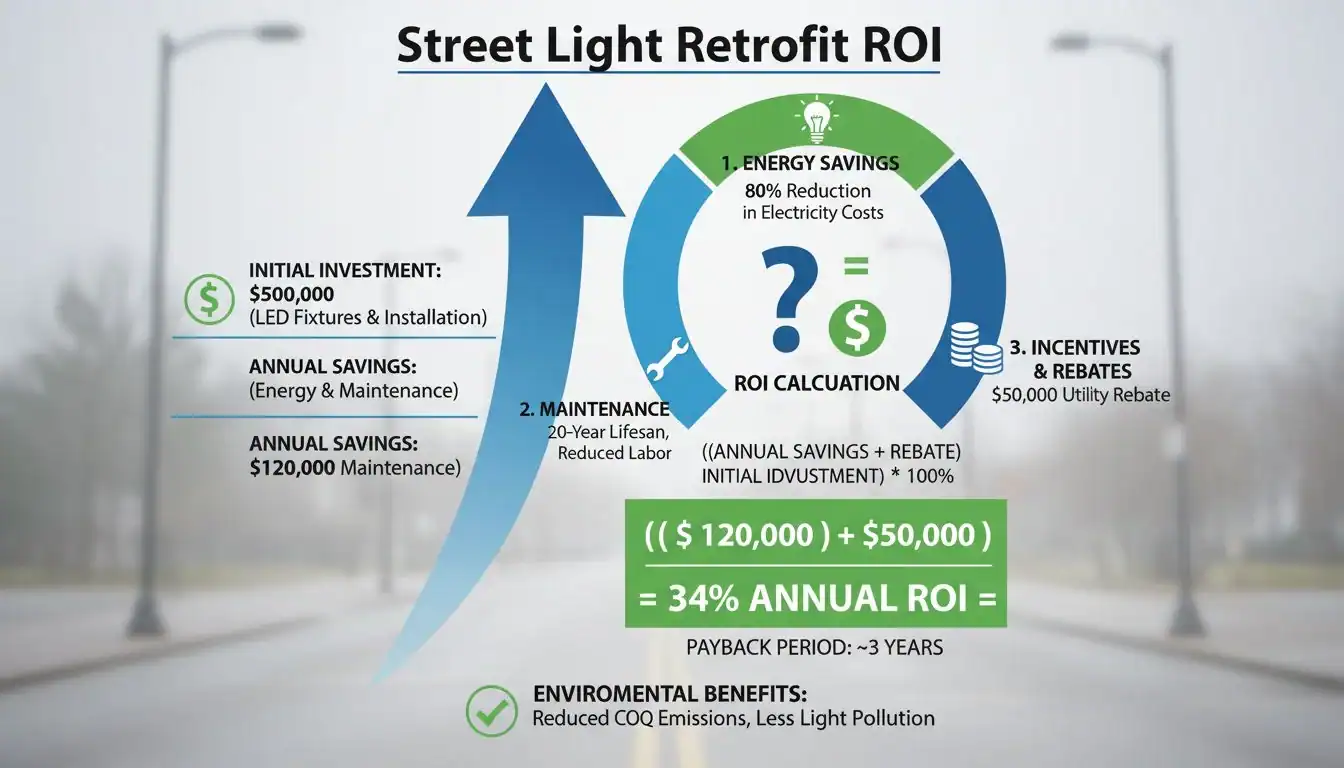
The Anatomy of a 3-Year Payback
Let's break down the math. It’s more than just watts. Your old High-Pressure Sodium (HPS) or Metal Halide (MH) lights are not just inefficient; they are maintenance headaches.
First, the energy savings. A typical 250W HPS fixture can be replaced with an 80W LED fixture that provides better, clearer light. Running 12 hours a night, that’s a savings of over 740 kWh per light, per year. Multiply that by thousands of poles and the numbers become huge.
Second, the maintenance savings5. HPS lamps need replacement every 3-5 years, and their ballasts fail too. This requires a bucket truck and a crew for each replacement. I’ve seen clients spend a third of their lighting budget just on maintenance. An LED fixture rated for 100,000 hours can last over 20 years, virtually eliminating this cost. When you combine these two savings streams, the payback period shrinks dramatically.
Here is a simplified example for one light:
| Cost Component | Old HPS Light (250W) | New LED Light (80W) | Annual Savings |
|---|---|---|---|
| Energy Cost (@$0.12/kWh) | $131.40 | $42.05 | $89.35 |
| Maintenance Cost (Avg.) | $50.00 | $5.00 | $45.00 |
| Total Annual Cost | $181.40 | $47.05 | $134.35 |
With an upfront LED cost of around $300-$400, the payback is under 3 years.
LED street lights can reduce a city's total electricity consumption by 10-20%.True
Street lighting can account for up to 40% of a municipality's electricity budget. A 50-75% reduction in this specific area translates to a significant drop in the city's overall energy use.
The cost of an LED street light is the only factor in calculating payback.False
This ignores the significant savings from reduced maintenance (labor and parts) and, with smart LEDs, operational efficiencies. A true ROI calculation must include the total cost of ownership.
LED vs. Solar vs. Networked controls: what's the right choice by street, pole, and grid?
Your city isn't uniform. A solution for a busy downtown street won't work for a remote park path or a new subdivision. Applying a one-size-fits-all approach is a recipe for wasted money and poor results.
The key is to match the technology to the location. Use grid-tied, networked LEDs for your main arteries. Deploy solar LEDs where the grid is absent or too expensive to access. Use basic grid-tied LEDs for smaller residential streets where budgets are tight.
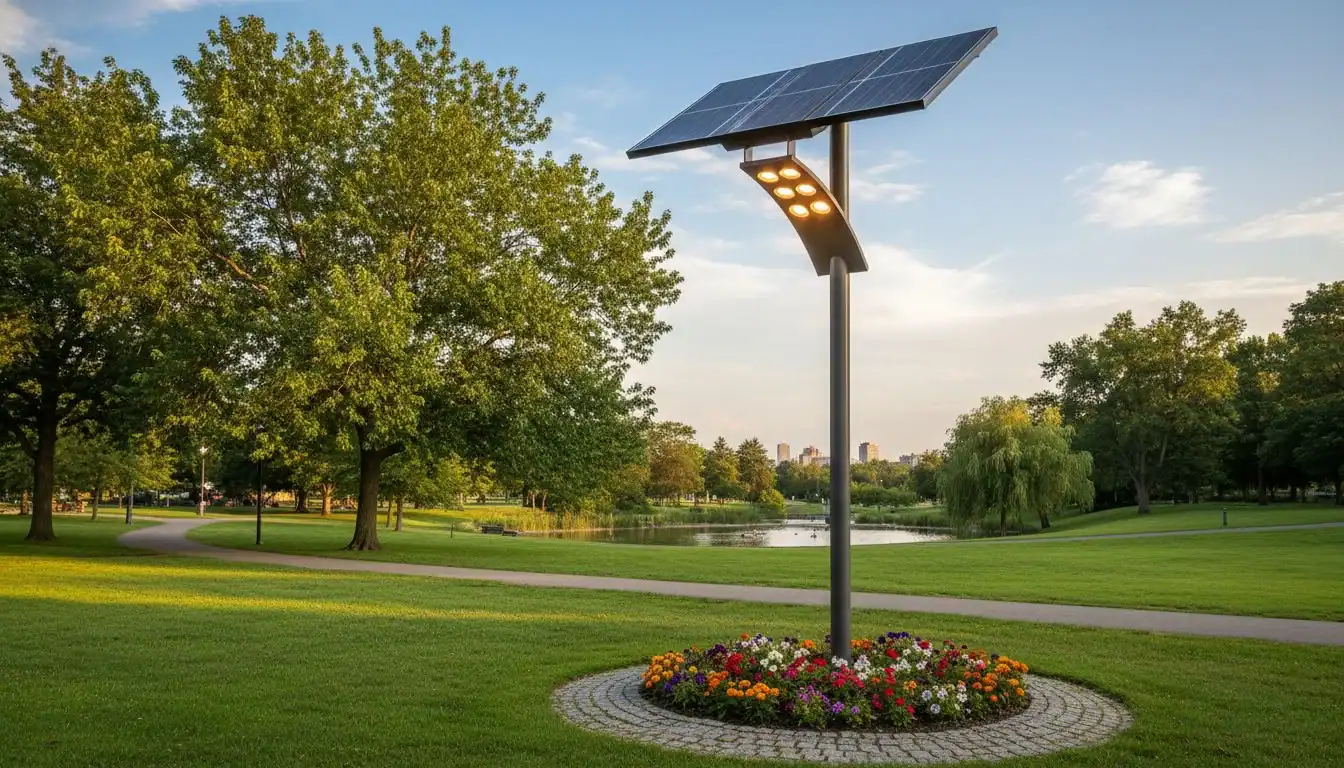
A Location-Based Technology Matrix
I always advise my clients to think in zones. Each zone has different needs and constraints. For most of your existing infrastructure, a grid-tied solution makes sense. The real question then becomes whether to add networked controls6. For new developments or remote areas, the math changes. The high cost of trenching and running new electrical lines can make solar the cheaper option over the project's lifecycle, even with its higher initial capital cost. For example, if trenching costs $100 per foot, a 300-foot run to a new pole costs $30,000—far more than a high-quality solar light. This is why a tailored approach is so important.
Here’s a matrix I use with my partners to guide their decisions:
| Location Type | Recommended Technology | Key Consideration |
|---|---|---|
| Dense Urban Core | Networked (Smart) LED | Maximize control, data, and energy savings. |
| Suburban Residential | Standard or Networked LED | Balance cost with desire for dimming/control. |
| Remote/Rural Roads | solar LED7 | Avoids prohibitive trenching/grid extension costs. |
| Parks & Trails | Solar LED | Enhances safety with minimal environmental disruption. |
| New Developments | Solar or Networked LED | Compare trenching costs vs. higher solar CAPEX. |
Solar street lights are a cost-effective replacement for all grid-tied lights.False
Solar LEDs have a much higher upfront cost (CAPEX) due to the panel, battery, and controller. They are only cost-effective in specific situations where the cost of connecting to the electrical grid is extremely high.
Trenching to install new electrical conduit can cost over $100 per linear foot.True
Costs vary by region and soil conditions, but trenching, laying conduit, and site restoration is a major expense that can make grid-tied lighting impractical for remote locations.
Reliability and warranties that matter: what are the key specs for drivers, optics, and maintenance?
You've seen the 10-year warranties. They look great on a proposal. But you also know that early failures can destroy a project's credibility and budget, no matter what the warranty says.
To ensure true reliability, you must look past the marketing and focus on the core components. The quality of the driver, the thermal design, and the surge protection are far more important than the brand name on the housing. These are the details that determine real-world performance.
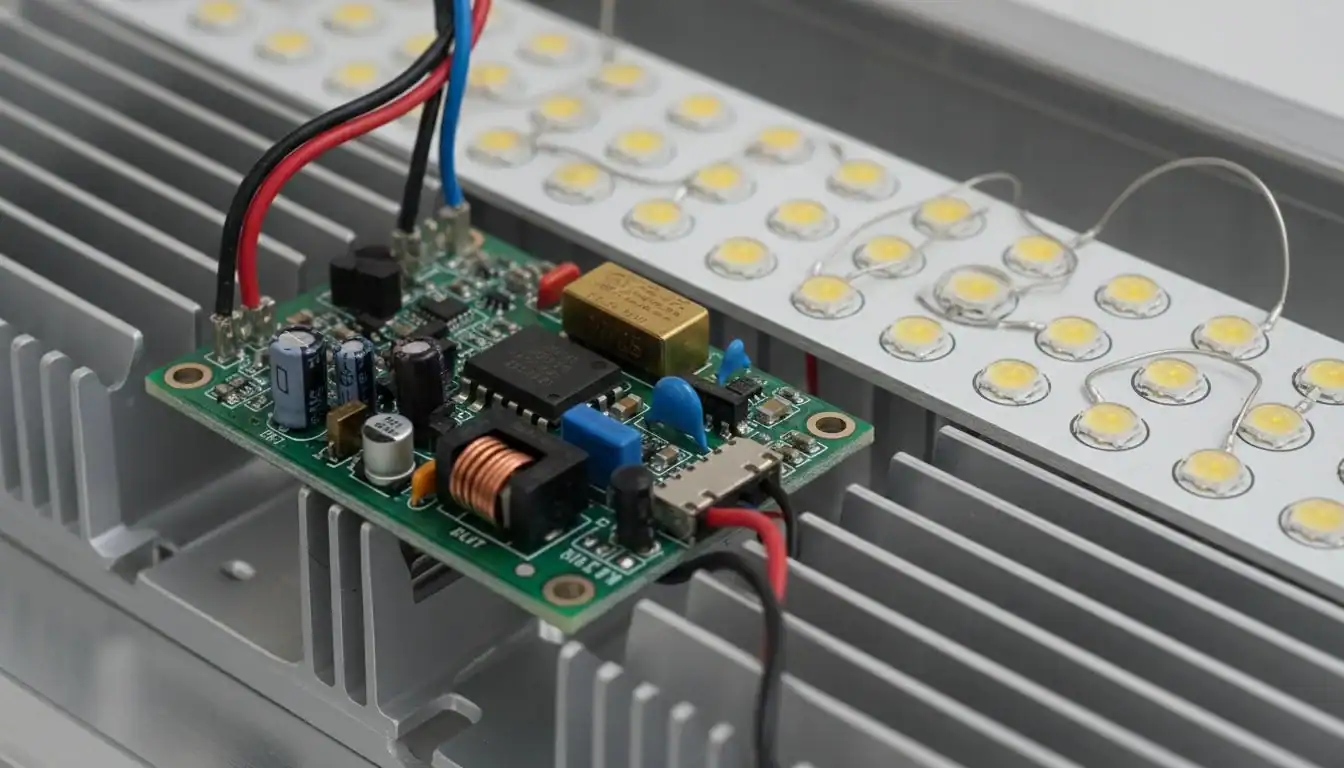
Beyond the Datasheet: What Really Matters
In my experience, when an LED fixture fails prematurely, it's almost never the LED chips themselves. It's the driver. The driver is the electronic heart of the light, and it's sensitive to heat and power surges. That's why I insist on two things for my clients' projects. First, a robust thermal design that pulls heat away from the driver and other electronics. Second, high-level surge protection, at least 10kV, but preferably 20kV. This protects the investment from the voltage spikes common on municipal power grids.
Another critical detail is the light itself. We now know that the harsh, blue-white light of early LEDs is bad for human sleep cycles and nocturnal wildlife. The American Medical Association (AMA) and other bodies recommend a warmer color temperature of 3000K or less. Paired with full cut-off optics, which direct all light downward and eliminate skyglow, this creates a safer, more comfortable, and environmentally friendly streetscape. This isn't just a preference; many cities are now making it a contract policy.
The LED diodes are the most common point of failure in a street light.False
The electronic driver is statistically the component most likely to fail, typically due to heat or electrical surges. The LED diodes themselves often outlast the rest of the fixture's components.
The American Medical Association (AMA) recommends using street lights with a color temperature of 3000K or lower.True
In their 2016 guidance, the AMA advised communities to choose lower-intensity, lower CCT (Correlated Color Temperature) lighting to reduce glare and minimize harmful effects on human health and the environment.
Your Top Street Light Retrofit Questions, Answered?
You've seen the big picture, but you probably still have some specific questions. These are the ones I hear most often from project managers and public works directors before they commit.
I've gathered the most common questions right here. My goal is to give you direct, no-nonsense answers based on real-world project data and my own experience in the field.
Is now the best time to switch to LED street lights?
Yes. The technology is proven, reliable, and more affordable than ever. The energy and maintenance savings are immediate and substantial. Waiting longer simply means spending more money on outdated, inefficient technology.
What payback should cities expect?
A payback period of 3 to 5 years is a realistic and achievable target for most municipal projects. This is calculated based on the combined savings from reduced energy consumption and the near-elimination of routine maintenance costs.
Do smart street lights really save more?
Yes, they do. Beyond the initial 50-75% energy cut from the LED conversion, smart controls can add another 10-20% savings through scheduled dimming. They also create huge operational savings by automating outage detection and asset management.
What color temperature is recommended?
I strongly recommend a Correlated Color Temperature (CCT) of 3000K or lower. This warmer, less blue light is aligned with guidance from the American Medical Association (AMA) to reduce glare and negative impacts on human health and wildlife.
How long do LED street lights last?
High-quality municipal-grade LED fixtures are rated for 50,000 to 100,000 hours of operation. This translates to 12-25 years of service life. However, this lifespan depends entirely on the quality of the driver, surge protection, and thermal management.
Can solar LED work for cities?
Absolutely, but in the right places. Solar is the perfect solution for locations without grid access, like parks, remote trails, or new parking lots where trenching costs would be too high. It is generally not a cost-effective replacement for existing grid-tied lights.
Are there real-world city results?
Yes. Thousands of cities worldwide, from Los Angeles to London, have retrofitted their lights and are publicly reporting energy savings of over 60% and payback periods under 5 years. At Besenled, we have personally partnered with dozens of municipalities and developers to achieve these exact results.
LEDs with a 4000K or 5000K CCT provide better visibility than 3000K LEDs.False
While higher CCT light appears 'brighter' to the human eye, it also creates more glare and scatters more in the atmosphere (Rayleigh scattering), which can actually reduce visual acuity, especially for older drivers or in wet conditions. A well-designed 3000K optic provides excellent visibility without these negative effects.
Most LED street light warranties cover labor costs for replacement.False
The vast majority of manufacturer warranties cover only the replacement fixture itself. The cost of labor and equipment (like a bucket truck) to perform the swap is typically not included, which is why choosing a reliable product from the start is so critical.
Conclusion
Making the switch to LED street lights8 in 2025 is a smart, financially sound decision. The key is choosing the right technology for the right application to maximize your return.
References
-
Discover the potential energy savings from LED street lights and how they contribute to reducing municipal energy costs. ↩
-
Learn about the benefits of smart LED technology, including enhanced control and operational efficiency for cities. ↩
-
Understand the financial implications of LED retrofits by exploring typical payback periods and return on investment. ↩
-
Understand the concept of total cost of ownership and its importance in evaluating street lighting projects. ↩
-
Investigate how LED street lights can significantly lower maintenance costs and improve operational efficiency. ↩
-
Learn about the role of networked controls in smart street lighting systems and their impact on energy management. ↩
-
Explore the scenarios where solar LED street lights are most effective and cost-efficient for municipalities. ↩
-
Explore the advantages of LED street lights, including energy savings and longevity, to understand their impact on urban infrastructure. ↩